
Modern Jewelry Trends Featuring Rose Gold Rings and Lab Diamonds

Rose gold rings have become a favorite choice for engagement rings, wedding bands, and everyday jewelry. Their warm pink tone offers a distinctive look that suits many skin tones and fashion styles. Unlike yellow or white gold, rose gold blends classic elegance with a modern appearance.
Many buyers also choose lab diamonds for rose gold settings. This combination offers beauty, durability, and ethical sourcing while maintaining the brilliance people expect from fine jewelry. Understanding how rose gold works with different diamond shapes and settings helps buyers make a confident decision.
Table of Contents
What Makes Rose Gold Rings Different?
Rose gold rings is an alloy made by combining pure gold with copper and a small amount of silver. The copper creates the signature pink color while also increasing the metal’s hardness.
The amount of copper affects the final shade. Higher copper content creates a deeper rose color. Lower copper content produces a softer pink appearance.
Common purity levels include:
- 18K rose gold contains 75% pure gold.
- 14K rose gold contains 58.5% pure gold.
- 10K rose gold contains 41.7% pure gold.
Many jewelers recommend 14K rose gold because it balances durability with rich color. It withstands daily wear better than higher-karat options while maintaining an attractive finish.
Why Rose Gold Rings Remain Popular
Fashion trends change, yet rose gold continues to attract buyers because of its versatility. It complements vintage-inspired designs, minimalist settings, and modern engagement rings.
Several features explain its lasting popularity:
- Warm color that flatters many skin tones.
- Stronger structure than yellow gold because of copper.
- Attractive contrast with white diamonds.
- Suitable for both men’s and women’s jewelry.
- Available in simple bands and detailed vintage settings.
Its romantic appearance also makes it a common choice for engagement rings and anniversary gifts.
Rose Gold Rings and Lab Diamonds Create an Elegant Combination
The soft warmth of rose gold highlights the brilliance of lab diamonds without overpowering them. White diamonds appear brighter against the pink metal, creating excellent visual contrast.
Lab diamonds possess the same chemical, optical, and physical properties as mined diamonds. They are genuine diamonds created under controlled laboratory conditions rather than extracted from the earth.
Many buyers appreciate this pairing because it combines timeless design with responsible sourcing. The appearance remains identical to natural diamonds while offering greater flexibility within a jewelry budget.
Choosing the Right Diamond Shape
Diamond shape changes the appearance of a rose gold ring more than many buyers realize.
Popular options include:
- Round brilliant
- Oval
- Cushion
- Pear
- Emerald
- Princess
- Marquise
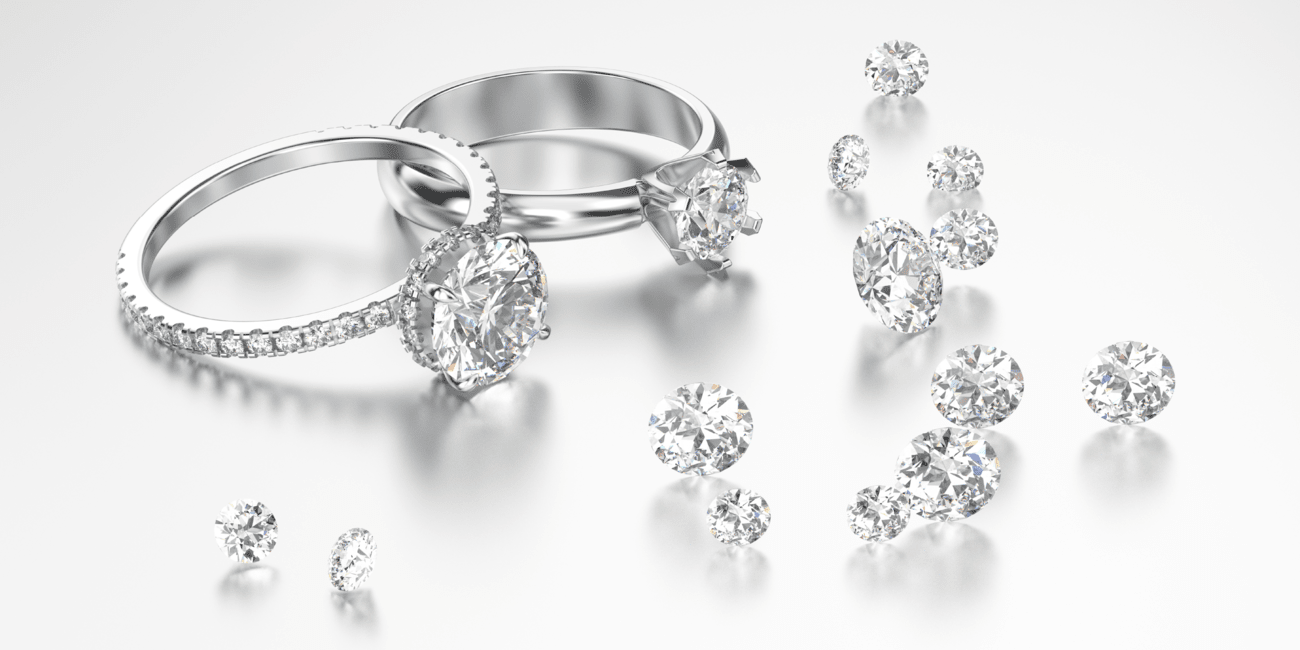
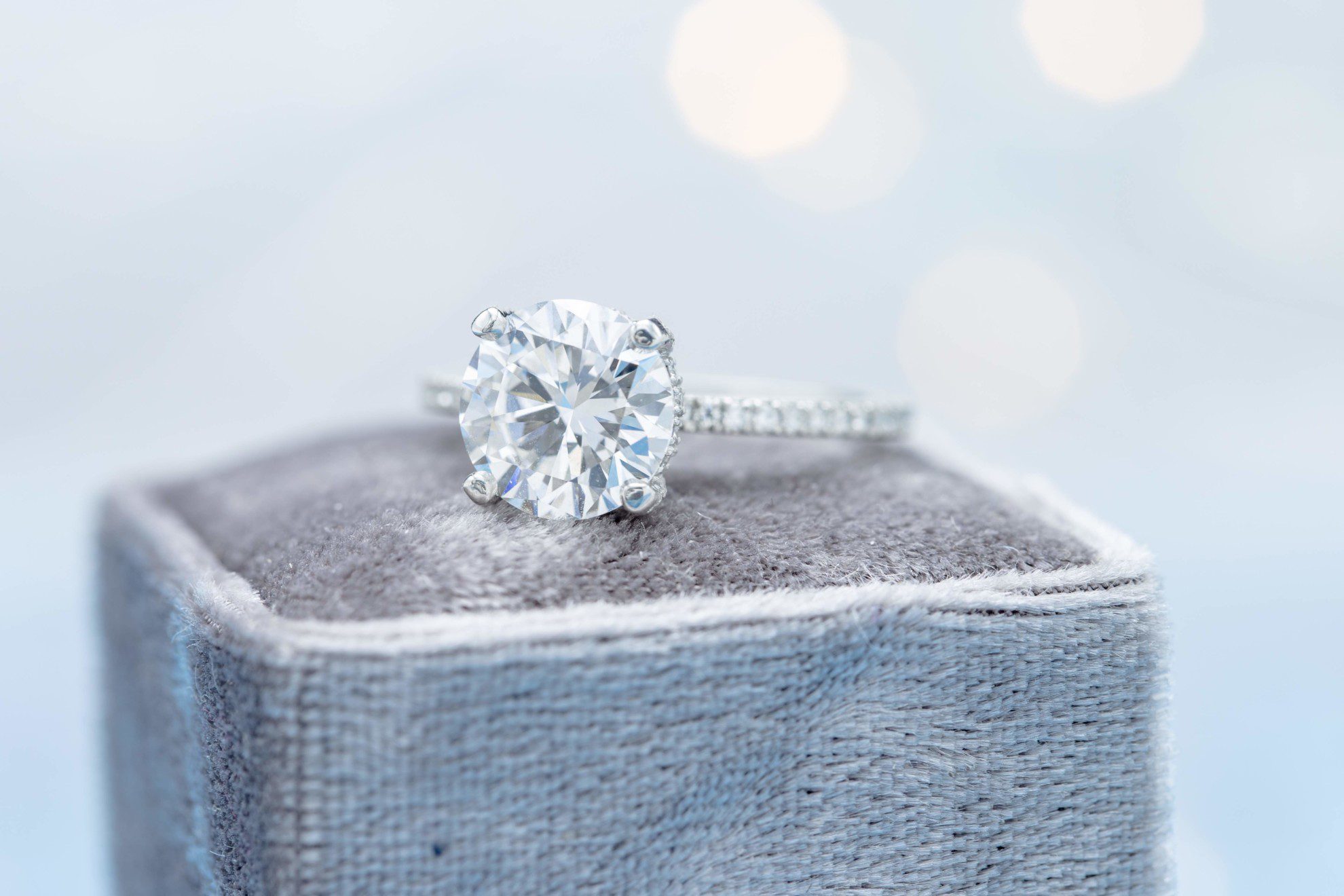
Among these, the round brilliant cut diamond engagement ring remains the most popular choice worldwide. Its symmetrical design maximizes light reflection and produces exceptional sparkle.
A round brilliant diamond also pairs well with solitaire settings, halo designs, pavé bands, and vintage-inspired rings.
How Many Facets in a Round Brilliant Cut Diamond?
Many shoppers ask how many facets in a round brilliant cut diamond because facet arrangement directly influences sparkle.
A standard round brilliant diamond typically has 57 facets if no culet is present. If the diamond includes a culet, it has 58 facets.
These facets are carefully positioned to maximize brilliance, fire, and scintillation.
The crown usually contains:
- 1 table facet
- 8 star facets
- 8 bezel facets
- 16 upper girdle facets
The pavilion typically contains:
- 16 lower girdle facets
- 8 pavilion main facets
- 1 optional culet facet
This precise structure allows light to enter, reflect internally, and return through the top of the diamond.
How Many Facets Does a Round Brilliant Cut Diamond Have and Why Does It Matter?
People often ask how many facets does a round brilliant cut diamond have because facet count influences visual performance.
While the standard answer is 57 or 58 facets, the quality of the cut matters more than the number alone. A poorly cut diamond with the correct facet count may appear dull. A well-cut diamond reflects more light and delivers stronger brilliance.
Professional grading laboratories evaluate proportions such as:
- Table size
- Crown angle
- Pavilion angle
- Symmetry
- Polish
These measurements determine how effectively the diamond handles light.
Popular Settings for Rose Gold Rings
The setting affects both appearance and protection.
Solitaire
A solitaire setting places full attention on the center diamond. This timeless design works especially well with round brilliant diamonds.
Halo
A halo surrounds the center stone with smaller diamonds. This design increases visual size while adding extra sparkle.
Pavé
Small diamonds line the band, creating continuous brilliance without distracting from the center stone.
Three-Stone
Three-stone rings symbolize the past, present, and future. They also provide a balanced and elegant appearance.
Vintage-Inspired
Detailed engraving, milgrain edges, and decorative galleries give rose gold an antique character that many buyers appreciate.
Durability of Rose Gold
Rose gold performs well during everyday wear because copper strengthens the alloy.
Compared with yellow gold of the same purity, rose gold generally resists scratches more effectively. It also does not require rhodium plating like white gold.
Although durable, every precious metal develops small surface scratches over time. Professional polishing restores much of the original finish when needed.
Caring for Rose Gold Rings
Routine maintenance keeps rose gold looking attractive for many years.
Follow these care practices:
- Clean the ring with mild soap and warm water.
- Use a soft toothbrush around the setting.
- Dry with a lint-free cloth.
- Remove rings during heavy manual work.
- Store jewelry separately to reduce scratches.
Professional inspections once or twice a year help ensure the prongs remain secure and the diamond stays protected.
How to Choose the Right Rose Gold Ring
Several factors influence the best choice.
First, determine the preferred gold purity. Fourteen-karat rose gold offers an excellent balance between durability and color.
Next, evaluate the diamond using the Four Cs:
- Cut
- Color
- Clarity
- Carat weight
Cut quality usually has the greatest impact on sparkle. Many experts recommend prioritizing an excellent or ideal cut before increasing carat weight.
Finally, select a setting that matches personal style and daily activities. Active lifestyles often benefit from lower-profile settings that protect the center stone.
Are Rose Gold Rings a Good Long-Term Choice?
Rose gold has remained popular across multiple design eras because it blends warmth, durability, and versatility. It pairs well with traditional diamonds, colored gemstones, and modern lab diamonds.
Its distinctive appearance works equally well for engagement rings, wedding bands, and fashion jewelry. Combined with a well-cut round brilliant diamond, rose gold creates a timeless piece that balances elegance with everyday practicality.